
Important Notice
Effective August 9, 2025, only customers with an active TRT subscription will be eligible to purchase ancillary medications from AlphaMD.
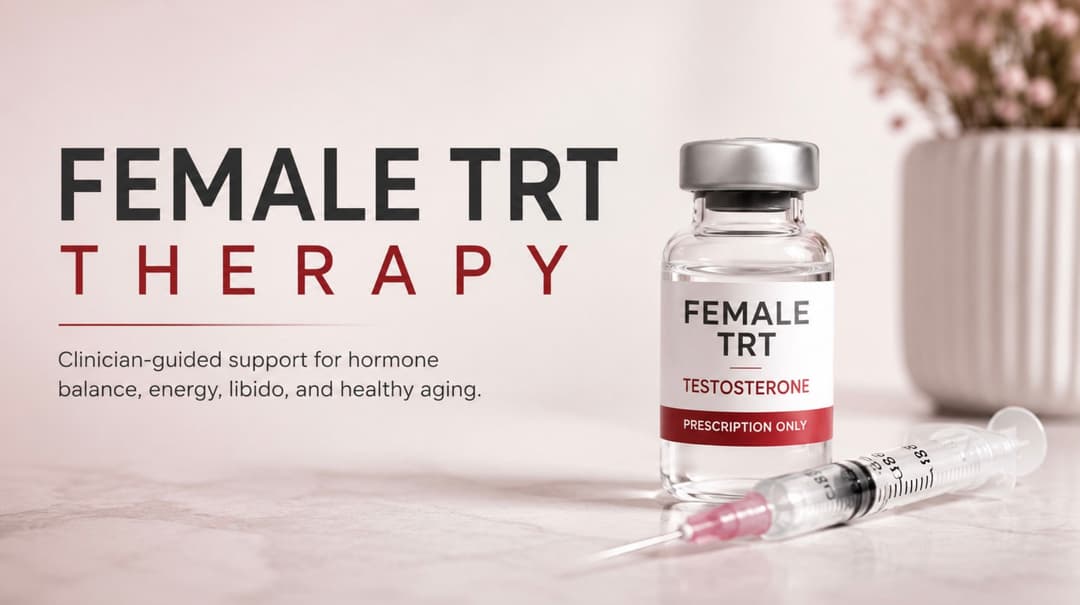
Female Testosterone Replacement Therapy (TRT)
Restoring Balance and Vitality
Female Testosterone Replacement Therapy, often called Female TRT, is a medically guided hormone optimization treatment for women who may have clinically low testosterone or symptoms related to androgen imbalance. Although testosterone is often thought of as a male hormone, women also produce and rely on testosterone for sexual function, mood, motivation, lean muscle support, energy, and overall well-being.
At AlphaMD, Female TRT is designed for women who are experiencing symptoms that may be connected to low testosterone and want a provider-guided treatment plan based on labs, symptoms, medical history, and ongoing monitoring.
Female TRT through AlphaMD is intended only for women with clinically appropriate hormone-related concerns. It is not offered for gender-affirming care or for non-medical performance enhancement.
What Is Female TRT?
Female TRT is the use of carefully dosed testosterone therapy to help restore testosterone levels when they are low, imbalanced, or contributing to symptoms. Women require much smaller testosterone doses than men, so treatment should always be personalized and monitored by a licensed medical provider.
For women, testosterone may play a role in:
- Libido and sexual satisfaction
- Energy and motivation
- Mood and emotional resilience
- Muscle tone and strength
- Recovery and body composition
- Cognitive sharpness and drive
- Overall sense of vitality
The goal of Female TRT is not to create unusually high testosterone levels. The goal is to support healthy, appropriate hormone balance based on the individual patient.
Who May Benefit From Female TRT?
Female TRT may be considered for women who have symptoms of low testosterone or androgen deficiency, especially when those symptoms are supported by lab findings and clinical evaluation.
Common symptoms that may lead women to explore Female TRT include:
- Low libido or reduced sexual desire
- Decreased sexual satisfaction
- Fatigue or low motivation
- Difficulty building or maintaining lean muscle
- Loss of strength or reduced exercise recovery
- Mood changes or irritability
- Brain fog or reduced focus
- Unexplained changes in body composition
- A general feeling of not feeling like yourself
Female TRT may be especially relevant for women experiencing hormone changes related to perimenopause, menopause, surgical menopause, or other hormone-disrupting medical circumstances.
It is important to note that testosterone therapy for women is not appropriate for everyone. Symptoms can overlap with thyroid issues, estrogen or progesterone imbalance, stress, sleep disruption, depression, medication side effects, nutritional deficiencies, and other medical conditions. That is why evaluation and lab testing matter.
Female TRT and Libido
One of the most common reasons women consider testosterone therapy is low libido. Testosterone has been studied most strongly in women with hypoactive sexual desire disorder, often called HSDD, particularly after menopause.
In appropriately selected women, testosterone therapy may help support:
- Sexual desire
- Arousal and responsiveness
- Sexual satisfaction
- Reduced distress related to low desire
- Greater confidence and intimacy
Medical consensus statements have found that testosterone therapy has the strongest evidence for postmenopausal women diagnosed with HSDD after a proper clinical assessment. Global Consensus Position Statement on Testosterone Therapy for Women
How Female TRT Works
Female TRT starts with a medical evaluation. A licensed provider reviews your symptoms, health history, lab results, and treatment goals to determine whether testosterone therapy may be appropriate.
A typical Female TRT process may include:
- Symptom review
Your provider evaluates symptoms such as low libido, fatigue, mood changes, reduced strength, or low motivation. - Lab testing
Bloodwork may include testosterone levels and other markers that help identify whether symptoms are likely related to hormone imbalance. - Personalized treatment plan
If appropriate, your provider may recommend a low-dose testosterone treatment plan tailored to your needs. - Ongoing monitoring
Follow-up care helps evaluate symptom response, testosterone levels, and possible side effects. - Dose adjustments
Female TRT dosing may be adjusted based on labs, symptom improvement, and tolerability.
Female TRT Dosage
Female testosterone dosing is typically much lower than male TRT dosing. Most women require a conservative, carefully adjusted dose designed to support healthy levels without pushing testosterone too high.
At AlphaMD, Female TRT dosing is personalized by the treating provider. Many female patients may receive low-dose testosterone administered through subcutaneous injections, often split into multiple doses per week to support stable levels.
Most female testosterone plans fall within a much lower weekly range than male TRT. Exact dosing depends on the patient’s lab results, symptoms, medical history, and provider guidance.
The goal is not maximum testosterone. The goal is the right dose for the individual woman.
How Much Does Female TRT Cost?
Female TRT through AlphaMD starts at:
$119 per month*
*Based on most doses. Higher doses and additional medications may result in additional costs.
Your final cost may depend on your prescribed dose, medication needs, and treatment plan.
What Are the Potential Benefits of Female TRT?
When Female TRT is clinically appropriate and properly monitored, potential benefits may include:
- Improved libido
- Better sexual satisfaction
- More energy
- Improved motivation
- Better strength and lean muscle support
- Improved recovery from exercise
- Better mood stability
- Improved mental clarity
- Greater overall sense of well-being
Results vary by patient. Some women notice changes within several weeks, while others may need more time and dose adjustments before seeing meaningful improvements.
How Long Does Female TRT Take to Work?
Female TRT does not work overnight. Some women may begin noticing early improvements in energy, libido, or mood within the first few weeks, but meaningful changes often take longer.
A general timeline may look like this:
- First few weeks: early changes in mood, motivation, or sexual interest may begin
- 6 to 8 weeks: libido, energy, and well-being may become more noticeable
- 8 to 12 weeks: provider may reassess symptoms, labs, and dosing
- 3+ months: strength, body composition, and longer-term benefits may continue developing
Because women are more sensitive to testosterone dosing, slow and careful adjustments are often better than aggressive dosing.
Is Female TRT Safe?
Female TRT should only be used when medically appropriate and supervised by a licensed provider. Testosterone therapy for women requires careful dosing because excessive testosterone levels can increase the risk of unwanted side effects.
Possible side effects may include:
- Acne or oily skin
- Increased facial or body hair
- Scalp hair thinning in genetically susceptible women
- Mood changes
- Voice changes
- Changes in menstrual cycle
- Clitoral sensitivity or enlargement
- Testosterone levels rising above the desired range
Many side effects are dose-related, which is why lab monitoring and symptom check-ins are important. The Endocrine Society recommends monitoring women receiving testosterone therapy for signs and symptoms of androgen excess. Endocrine Society Androgen Therapy in Women Guideline
Female TRT vs Male TRT
Female TRT and male TRT are not the same treatment at different strengths. Women have different hormone ranges, different dosing needs, and different monitoring considerations.
Key differences include:
- Women require much smaller testosterone doses
- Female dosing must be adjusted more conservatively
- Treatment goals are different
- Side effect monitoring is especially important
- Testosterone should not be pushed into a male range
- Female TRT often focuses on libido, energy, mood, and overall hormone balance
For men looking for testosterone treatment, visit our Testosterone Replacement Therapy page.
Female TRT and Menopause
During perimenopause and menopause, women may experience changes in estrogen, progesterone, and testosterone. While estrogen and progesterone often get more attention, testosterone may also decline or become imbalanced over time.
Some women in perimenopause or menopause report:
- Lower libido
- Less sexual responsiveness
- Reduced energy
- More difficulty maintaining muscle
- Mood changes
- Reduced motivation
- Changes in confidence or vitality
Female TRT may be considered as part of a broader hormone evaluation when symptoms and labs suggest testosterone may be contributing.
Female TRT and Muscle Tone
Testosterone helps support lean muscle, strength, and recovery in both men and women. For women with low testosterone, optimization may support better strength training results, improved recovery, and a healthier body composition over time.
That said, Female TRT is not a shortcut for muscle growth and should not be used for bodybuilding or athletic enhancement. The best results typically come when treatment is combined with:
- Resistance training
- Adequate protein intake
- Consistent sleep
- Stress management
- Healthy nutrition
- Routine follow-up labs
What Labs Are Used for Female TRT?
Your provider may review several lab markers before and during treatment. These may include testosterone-related markers and other labs that help evaluate broader hormone and health status.
Common labs may include:
- Total testosterone
- Free testosterone
- SHBG
- Estradiol
- Progesterone
- Thyroid markers
- CBC
- Metabolic markers
- Lipids
- Other labs based on medical history
The goal is to understand the full clinical picture, not just one number.
Who Should Not Use Female TRT?
Female TRT may not be appropriate for women who are pregnant, trying to become pregnant, breastfeeding, or who have certain medical conditions. It may also require caution in women with a history of hormone-sensitive cancers, certain cardiovascular risks, liver disease, or signs of androgen excess.
A licensed provider will determine whether treatment is appropriate based on your medical history, symptoms, and labs.
Why Choose AlphaMD for Female TRT?
AlphaMD helps connect patients with licensed medical providers who can evaluate symptoms, review labs, and determine whether Female TRT is appropriate.
Female TRT through AlphaMD is designed to be:
- Convenient
- Lab-informed
- Medically guided
- Personalized
- Monitored over time
- Focused on hormone balance, not over-treatment
If you are struggling with low libido, low energy, reduced motivation, or changes in strength and well-being, Female TRT may be worth discussing with a licensed provider.
Related Treatments
Some women exploring Female TRT may also be interested in other hormone and wellness treatments, depending on their goals and provider recommendations.
Related AlphaMD treatment pages:
Frequently Asked Questions About Female TRT
What is Female TRT?
Female TRT is testosterone replacement therapy for women who may have clinically low testosterone or symptoms related to testosterone imbalance. It uses much lower doses than male TRT and should be monitored by a licensed medical provider.
Is testosterone important for women?
Yes. Women naturally produce testosterone, and it may play a role in libido, energy, mood, muscle tone, motivation, and overall well-being.
What symptoms can low testosterone cause in women?
Possible symptoms include low libido, fatigue, reduced motivation, mood changes, brain fog, reduced strength, and difficulty maintaining lean muscle. These symptoms can also come from other causes, so proper evaluation is important.
Does Female TRT help with libido?
Female TRT may help some women with low libido, especially postmenopausal women diagnosed with hypoactive sexual desire disorder after clinical evaluation. The strongest medical evidence for testosterone therapy in women is related to HSDD. International Society for the Study of Women’s Sexual Health Guideline
How is Female TRT different from male TRT?
Female TRT uses much lower doses, different treatment goals, and more conservative monitoring. Women should not be dosed into a male testosterone range.
How long does Female TRT take to work?
Some women notice changes in libido, energy, or mood within several weeks. More meaningful results often take 8 to 12 weeks or longer, depending on symptoms, labs, and dose adjustments.
What are the side effects of Female TRT?
Possible side effects include acne, oily skin, increased hair growth, scalp hair thinning, mood changes, voice changes, menstrual changes, or other signs of excess testosterone. Proper dosing and monitoring help reduce risk.
Is Female TRT used for menopause?
Female TRT may be considered for some women during perimenopause or menopause when symptoms and labs suggest testosterone may be contributing. It is not automatically appropriate for every woman in menopause.
How much does Female TRT cost?
Female TRT through AlphaMD starts at $119 per month, based on most doses. Higher doses or additional medications may increase the cost.
Is Female TRT available for gender-affirming care?
No. Female TRT through AlphaMD is intended only for women with clinically appropriate hormone-related concerns. It is not available for gender-affirming care or non-medical performance enhancement.
Book a Consultation Today
If low libido, fatigue, mood changes, or reduced motivation are affecting your quality of life, Female TRT may be worth exploring. A licensed provider can review your symptoms, labs, and medical history to determine whether testosterone therapy is appropriate for you.
Pricing
$119 /month*
*Based on most doses. Higher doses and additional medications may result in additional costs.
Dosage
For women undergoing testosterone replacement therapy (TRT), dosing is typically much lower than for men and is carefully tailored to individual needs. Most female patients receive between 6mg and 25mg of testosterone per week, usually administered as subcutaneous injections twice weekly to maintain stable levels and minimize side effects.
A common regimen involves injecting 0.15mL to 0.25mL of testosterone solution twice weekly, depending on the concentration of the prescribed vial. Some patients may begin with a lower dose that gradually increases over the first few weeks to allow their bodies to adjust. Adjustments to dosing are made based on patient response, symptom relief, and lab results, ensuring a personalized approach to hormone optimization.
Dosages should always be tailored to individual hormone levels, symptoms, and response to therapy, under the guidance of a healthcare professional.
Side Effects
While Female TRT is generally well-tolerated, some women may experience side effects, including:
- Acne or Oily Skin: Increased testosterone levels can stimulate oil production, leading to breakouts.
- Increased Facial or Body Hair Growth: Some women may notice mild hair growth in new areas.
- Mood Changes: Hormonal fluctuations can sometimes cause irritability or mood swings.
- Voice Deepening: Rare but possible with prolonged high doses of testosterone.
- Irregular Menstrual Cycles: Testosterone can influence estrogen and progesterone levels, leading to cycle changes.
- Fluid Retention: Some women may experience mild swelling or bloating.
- Clitoral Enlargement: Rare but possible with extended use at high doses.
Monitoring by a healthcare professional can help minimize side effects and ensure a safe, effective treatment plan.
*Based on most doses. Higher doses and additional medications may result in additional costs.
Benefits
- Boosted Libido and Sexual Health
- Increased Energy Levels
- Improved Muscle Tone and Metabolism:
- Enhanced Mood and Mental Clarity
- Stronger Bones and Joint Health
- Improved Sleep Quality
- Healthier Skin & Hair
- Reduced Menopausal Symptoms
People are asking...
I am a 52 year old woman. I am taking testosterone because my energy and motivation to get out of my chair were both really low. I also didn't have an...
Transdermal treatment, with both gels and creams, have been proven to have a higher conversion rate to DHT. The skin has a higher amount of the 5a-reductase enzyme, so more of the T you apply will bec... See Full Answer
I literally just started on TRT for the first time this week. 43 yo m, self aware moodiness and fights with my wife over dumb shit along with obvious...
Glad to hear you are finally getting treated. I’m sure with time your wife will see how it helps you be the best version of yourself and will come to see the merits of TRT. There are many myths surrou... See Full Answer
Estradiol 20.4 T 175.8 FSH 3.9 LH 1.0 Prolactin 5.8 Thsr 1.59 Xt wbc 5.3 35m 170lb 16 % bf decent sleep , clean eating no alcohol Fatigue sex drive ha...
Your LH is low and your FSH is on the lower end as well. This suggests you may have secondary hypogonadism. You would expect a rather drastic improvement in quality of life with the addition of TRT. W... See Full Answer
Customer Testimonials
Rekindling My Libido
Feb 21, 2023
Before I started Female TRT, I had almost no interest in intimacy, and it was affecting my confidence and my relationship. After just a few weeks of therapy, I noticed a remarkable change in my energy and especially my libido. I feel so much more alive and connected with my partner—it’s been a total game-changer for our closeness. - Sandra (Age 40)
More energy, better sleep
Mar 19, 2023
The biggest surprise for me was how much TRT improved my sleep. I used to wake up multiple times a night and never felt rested. Now, I sleep deeper and wake up refreshed. On top of that, I have more energy during the day, and my anxiety has significantly decreased. - Laura M.
I didn't expect this kind of change.
Jun 7, 2024
I started TRT mainly because I was struggling with energy, but I had no idea how much it would help my workouts. Before, I felt like I was just going through the motions at the gym, and no matter what I did, I wasn’t gaining strength or muscle. Now, I actually feel my workouts, I recover faster, and I finally see some muscle definition again. I wish I had done this years ago. - Lisa (Age 44)
Related Articles


Legal Disclaimer
This website is a repository of publicly available information and is not intended to form a physician-patient relationship with any individual. The content of this website is for informational purposes only. The information presented on this website is not intended to take the place of your personal physician's advice and is not intended to diagnose, treat, cure, or prevent any disease. Discuss this information with your own physician or healthcare provider to determine what is right for you. All information is intended for your general knowledge only and is not a substitute for medical advice or treatment for specific medical conditions. The information contained herein is presented in summary form only and intended to provide broad consumer understanding and knowledge. The information should not be considered complete and should not be used in place of a visit, phone or telemedicine call, consultation or advice of your physician or other healthcare provider. Only a qualified physician in your state can determine if you qualify for and should undertake treatment.